Hoe mythologie en geschiedenis inspireren moderne spanning

In onze cultuur spelen verhalen, symboliek en archetypen een centrale rol in het vormgeven van onze beleving en interpretatie van de wereld. Van oude mythologieën tot historische gebeurtenissen vormen ze de fundamenten waarop hedendaagse media en entertainment zijn gebouwd. Door de eeuwen heen hebben verhalen over helden, goden en epische veldslagen niet alleen onze collectieve herinnering gevormd, maar ook inspiratie geboden voor de creatie van spannende en meeslepende ervaringen. Dit artikel verkent de diepgaande connecties tussen mythologie, geschiedenis en moderne spanning, met een focus op hoe deze oude verhalen worden vertaald naar hedendaagse media en technologieën.

De kruisbestuiving tussen mythologie, geschiedenis en moderne spanning

Verhalen en symboliek vormen al duizenden jaren een kerncomponent van menselijke cultuur. Ze helpen ons niet alleen om onze geschiedenis te begrijpen, maar geven ook betekenis aan universele thema’s zoals heldendom, goed versus kwaad, en de zoektocht naar zin. Oude mythes, zoals die van de Griekse goden of Noorse helden, en historische gebeurtenissen, zoals veldslagen en revoluties, blijven een rijke bron van inspiratie voor moderne media. Films, videogames en interactieve ervaringen putten uit deze verhalen om spanning en diepgang te creëren. Het doel van dit artikel is om deze complexe verbindingen te onderzoeken en te laten zien hoe oude verhalen ons blijven beïnvloeden in hedendaagse entertainment.

Mythologie en geschiedenis als bron van inspiratie voor spanning en avontuur

De kracht van mythologische verhalen ligt in hun universele thema’s en symboliek die generaties overstijgen. Bijvoorbeeld, het verhaal van de held die een enorme uitdaging aangaat, wordt vaak hergebruikt in films en games om spanning op te bouwen en de moed van de speler of kijker te stimuleren. Historische gebeurtenissen vormen daarbij de basis voor realistische en meeslepende verhalen; bijvoorbeeld, de zoektocht naar verloren schatten uit de Tweede Wereldoorlog of de epische veldslagen uit de middeleeuwen. Populaire media zoals de filmserie “Indiana Jones” en videospellen zoals “Assassin’s Creed” illustreren hoe deze thema’s worden vertaald naar hedendaagse entertainment, waardoor ze niet alleen vermaken, maar ook educatieve waarde krijgen.

De rol van symboliek en visuele elementen in moderne entertainment

Symboliek uit mythologie wordt vaak geïntegreerd in grafisch ontwerp en gameplay om diepere lagen van betekenis en spanning toe te voegen. Denk aan kleuren, symbolen en iconografie die direct verband houden met oude verhalen. Zo wordt de paarse bliksem in het populaire slotspel “Fire In The Hole 3” niet zomaar een visueel element; het vertegenwoordigt mysterie, kracht en onvoorspelbaarheid, elementen die de spanning verhogen. Visuele elementen zoals krachtig gebruik van kleur en iconografie versterken het gevoel van mysterie en gevaar, waardoor spelers zich meer betrokken en op het puntje van hun stoel voelen. Door dergelijke symboliek en visuele cues wordt de ervaring niet alleen visueel aantrekkelijk, maar ook emotioneel meeslepend.

Technieken van spanning in hedendaagse media: een analyse

Moderne media gebruiken diverse technieken om spanning op te bouwen en vast te houden. Een voorbeeld is de cascading mechanic, waarbij winnende symbolen verdwijnen en nieuwe symbolen invullen, waardoor de spanning zich opbouwt. Daarnaast worden speciale functies zoals xSplit-symbolen met de paarse bliksem ingezet om onverwachte wendingen te creëren en de adrenaline van de speler te verhogen. Deze technieken zorgen ervoor dat de ervaring dynamischer en onvoorspelbaarder wordt, wat de betrokkenheid vergroot. Onderzoek toont aan dat dergelijke spanningstechnieken niet alleen de speelervaring verdiepen, maar ook zorgen voor een emotionele reactie die spelers terug laat komen voor meer.

“Fire In The Hole 3” als moderne illustratie van mythologische en historische inspiratie

Deze populaire gokkast is een uitstekend voorbeeld van hoe oude thema’s en verhalen worden vertaald naar moderne media. Het centrale thema van mijnen en mijnbouw, dat terug te vinden is in mythologieën zoals die van de Grieken en Kelten, wordt visueel versterkt door elementen zoals houten frames en metalen bolten die kracht en duurzaamheid symboliseren. Mechanisch gezien maken functies zoals de xSplit-symbolen en cascading mechanic het spel spannender en interactiever, wat doet denken aan oude verhalen waarin helden en figuren hun kracht en doorzettingsvermogen moeten tonen. “Fire In The Hole 3” laat zien dat oude verhalen en symboliek nog steeds relevant zijn, vooral wanneer ze op innovatieve wijze worden geïntegreerd in hedendaagse technologieën.

Dieperliggende betekenissen achter symboliek en mechanieken in games

Veel symbolen en functies in moderne spellen verwijzen naar oude verhalen en mythes. Bijvoorbeeld, de paarse bliksem en de xSplit-symbolen kunnen worden geïnterpreteerd als symbolen van goddelijke interventie of ultieme kracht, geïnspireerd door mythologische verhalen waarin goden ingrijpen in het menselijke lot. Psychologisch onderzoek wijst uit dat spanningstechnieken zoals cascades en onverwachte bonusfuncties de emotionele reactie van spelers intensiveren, wat leidt tot verhoogde betrokkenheid en memorabiliteit. Daarnaast biedt het gebruik van deze symboliek een educatief potentieel: spelers leren op een indirecte wijze over oude verhalen en culturele symboliek terwijl ze genieten van entertainment.

De evolutie van mythologie en geschiedenis in entertainment

Verschillende generaties hebben mythologische en historische verhalen van mondelinge vertellingen naar geschreven teksten gebracht, waarna ze werden omgezet in film, literatuur en nu interactieve media. Moderne technologieën, zoals virtual reality en geavanceerde grafische engines, brengen oude verhalen tot leven op nieuwe manieren. Games zoals “Assassin’s Creed” en “God of War” passen oude mythes aan hun eigen narratieve kaders aan, waardoor ze niet alleen entertainen, maar ook een vorm van cultureel erfgoed doorgeven. Deze evolutie zorgt ervoor dat oude verhalen niet verloren gaan, maar zich aanpassen aan de hedendaagse interpretaties en technologische mogelijkheden.

De blijvende impact van mythologie en geschiedenis op moderne spanning

Samenvattend kunnen we stellen dat oude mythes en historische gebeurtenissen een onuitputtelijke bron blijven voor inspiratie in moderne media. Ze bieden universele thema’s en symboliek die spanning en avontuur versterken, terwijl ze ook educatief en cultureel waardevol blijven. Het combineren van deze oude verhalen met innovatieve technieken en technologieën zorgt voor een rijke en diepe ervaring voor de hedendaagse speler en kijker. Toekomstgericht kunnen we verwachten dat mythologie en geschiedenis nog verder geïntegreerd worden in nieuwe media, waardoor ze blijven evolueren en relevant blijven voor generaties die op zoek zijn naar betekenisvolle en meeslepende verhalen.


Balance Sheet Equation Explained: Formula, Examples & Uses

the balance sheet equation can be represented by:

This transparency aids in informed decision-making regarding investments and expenses, including significant costs like rent and machinery. The beautiful thing about accounting and the three-statement models it helps inform is that they create a closed assets = liabilities + equity system. What affects the income statement also affects the balance sheet, and any change on the balance sheet must be captured by the cash flow statement.

Monthly Financial Reporting Template for CFOs

Apple’s total liabilities increased, total equity increased, and the combination of the two reconciles to the company’s total assets. Several individuals, including business owners, employees, investors, lenders, and financial auditors, use balance sheets for different purposes. An investor may use your balance sheet to understand how you finance your business and predict future performance to determine whether your company is worth investing in.

Liabilities

These principles ensure consistency and reliability in financial reporting, enabling stakeholders to make informed decisions. Comparative balance sheets for more than one time period are often presented in the same financial statement to indicate trends. Companies may present comparative balance sheets with horizontal analysis to determine the amount and percentage changes in line items and totals, showing trends over time. The main parts are assets (things a company owns), liabilities (debts), and shareholders’ equity (the owners’ share).

What is the difference between current and non-current liabilities?

the balance sheet equation can be represented by:

Shareholders’ equity includes retained earnings or deficit and equity capital used to finance the company. Think of the balance sheet as a snapshot of a business’s financial position at a specific point in time. Just like a scientist captures an image to study a subject, a balance sheet captures a business’s financial state to analyze its health. It provides us with a clear and structured picture of what a business owns (its assets), what it owes (its liabilities), and what’s left over for the owners (its equity). It keeps the balance sheet correct and follows the double-entry accounting system.

  • These may include loans, accounts payable, mortgages, deferred revenues, bond issues, warranties, and accrued expenses.
  • For a sole proprietorship, shareholders’ equity may be called owner’s equity.
  • Equity is what is left over after liabilities are subtracted from assets, and represents the value of the company that belongs to its owners.
  • AOCI includes unrealized gains or losses from holding available-for-sale debt securities investments, foreign currency translation gains or losses, and certain pension gains or losses.

Can the accounting equation predict financial outcomes?

On track for 90% automation by 2027, HighRadius is driving Cash Flow Management for Small Businesses toward full finance autonomy. Discover the next generation of strategies and solutions to streamline, simplify, and transform finance operations. Data for these sections can be found in various accounts within the general ledger, such as Cash, Accounts Receivable, Inventory, and Property. Thomas Richard Suozzi (born August 31, 1962) is an accomplished U.S. politician and certified public accountant with extensive experience in public service and financial management. CFI is the global institution behind the financial modeling and valuation analyst FMVA® Designation.

the balance sheet equation can be represented by:

Balance Sheet and the Basic Accounting Equation

  • These are the resources that the company has to use in the future like cash, accounts receivable, and fixed assets.
  • This equation ensures that the resources of a company (assets) are balanced by the claims against those resources (liabilities and equity).
  • Only after debts are settled are shareholders entitled to any of the company’s assets to attempt to recover their investment.
  • Did you know 98% of Fortune 500 companies use the balance sheet equation for accurate financial reports?
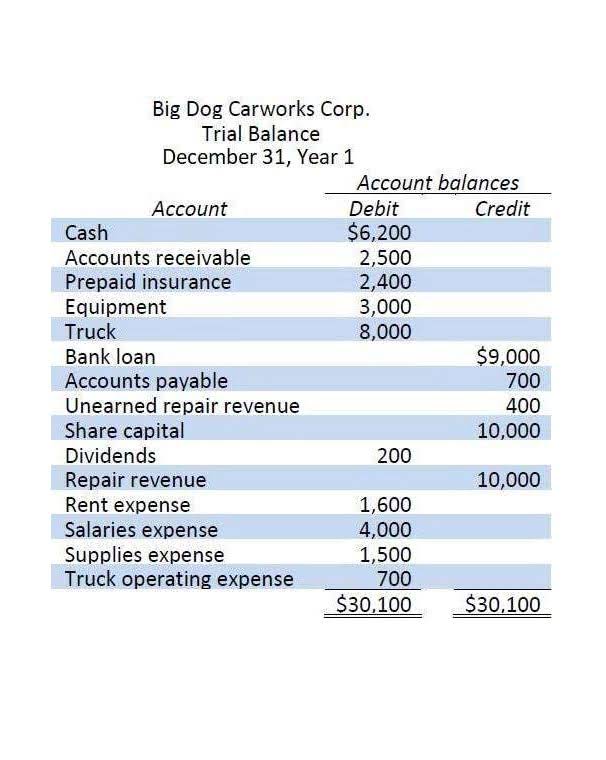
  • Before accountants post transactions to the general ledger, total debits must equal total credits on the trial balance.

Additionally, it doesn’t directly measure profitability or efficiency, requiring supplemental financial statements like income statements and cash flow reports for comprehensive insights. The three primary components of the balance sheet are assets, liabilities, and stockholders’ equity. Most companies maintain the accounting equation using a double-entry bookkeeping system to record financial data. Under this system, a change in one account must be matched in another account. These changes are made by debits and credits and for every the balance sheet equation can be represented by: entry, the sum of debits must equal the sum of credits.

Using Equations in Financial Analysis

This transaction affects both sides of the accounting equation; both the left and right sides of the equation increase by +$250. Regardless of how the accounting equation is represented, it is important to remember that the equation must always balance. Common stock represents ownership in a company and gives shareholders the right to vote on certain matters and receive dividends. The first major section of the Balance Sheet details the company’s Assets, which represent probable future economic benefits obtained or controlled by the entity. Assets are systematically categorized based on their expected conversion to cash, differentiating between Current and Non-Current classifications.

It says a company’s assets must equal its liabilities plus shareholders’ equity. This formula is crucial for keeping financial records right and following GAAP rules. To create a balance sheet, you need to gather information about a company’s assets, liabilities, and equity. This information can be obtained from a company’s financial statements, such as its income statement and cash flow statement. Once you have this information, you can organize it into the standard format for a balance sheet. The balance sheet is particularly useful for assessing a company’s liquidity and solvency, as it shows the company’s ability to meet its short-term and long-term obligations.

the balance sheet equation can be represented by:

If you understand these relationships, then you will also know how cash moves through a business. In this example, Apple’s total assets of $364.98 billion are segregated toward the top of the report. This asset section is broken into current assets and non-current assets, and each of these categories is broken into more specific accounts. A brief review of Apple’s assets shows that their cash on hand decreased slightly, yet their non-current assets increased. A company usually must provide a balance sheet to a lender to secure a business loan. A company must also usually provide a balance sheet to private investors when attempting to secure private equity funding.

the balance sheet equation can be represented by:

Cash Flow

In contrast, the income statement shows the company’s financial performance over a period, including revenue, expenses, and profits or losses. All financial transactions can be reflected in the accounting equation, and this balancing act is evident on a company’s balance sheet, where assets must equal the sum of liabilities and equity. Knowing how transactions affect the accounting equation helps in understanding and interpreting financial statements. It shows the company’s assets, liabilities, and equity, and is an important tool for investors to evaluate a company’s financial health. A balance sheet is a financial statement showing assets, liabilities, and shareholders’ equity (stockholders’ equity or owners’ equity) at a certain point in time. A balance sheet date is the end of an accounting period for financial reporting.

Les erreurs courantes lors de l’utilisation de jeux gratuits casino et comment les éviter

Les jeux gratuits en ligne attirent de nombreux joueurs, notamment pour leur aspect divertissant et sans risque financier immédiat. Cependant, leur utilisation comporte certains pièges courants qui peuvent nuire à l’expérience ou même entraîner des comportements problématiques. Il est essentiel de connaître ces erreurs afin de profiter pleinement des avantages des jeux gratuits tout en limitant leurs inconvénients. Cet article explore les principales erreurs à éviter, avec des exemples concrets et des conseils pratiques, pour garantir une utilisation responsable et intelligente des jeux en ligne.

Table des matières

Pourquoi les joueurs se laissent tenter par les jeux gratuits sans précaution

Les jeux gratuits en ligne sont souvent perçus comme une opportunité sans risque de gagner ou de perdre de l’argent. Cette perception peut encourager certains joueurs à s’y adonner de manière excessive, sans considération pour leurs limites ou pour la nature du jeu. La facilité d’accès, la simplicité d’usage et l’absence d’engagement financier immédiat créent une illusion de sécurité.

Selon une étude de l’Institut national de recherche en jeux d’argent (INRJ), près de 60 % des utilisateurs de jeux gratuits déclarent jouer “pour se divertir”, mais 35 % avouent parfois perdre la notion du temps ou des limites. La tentation de continuer à jouer, même après une défaite, est renforcée par le phénomène psychologique de gratification immédiate. Ce phénomène peut conduire à une dépendance progressive si l’on ne reste pas vigilant.

Les erreurs de gestion du temps et de l’engagement dans les jeux gratuits

Une erreur fréquente consiste à sous-estimer le temps consacré aux jeux gratuits. Le risque est que le joueur puisse passer des heures à tenter sa chance sans s’en rendre compte, au point de négliger d’autres activités essentielles. Par exemple, en jouant à un jeu de machines à sous gratuits pendant plusieurs heures, un utilisateur peut perdre un temps précieux ou faire abstraction de ses responsabilités professionnelles ou familiales.

Pour illustration, une étude menée par l’Université de Lille a montré que 45 % des joueurs excessifs passent plus de 3 heures par session, ce qui impacte leur bien-être mental et leur productivité. La clé pour éviter cette erreur est de définir des limites de temps claires, en utilisant par exemple des alarmes ou paramètres de gestion intégrés dans certaines plateformes.

Les stratégies inefficaces qui mènent à des pertes financières involontaires

Il arrive que des joueurs utilisent ou croient utiliser des stratégies qui, en réalité, ne maximisent pas leurs chances ou accroissent leur frustration. Par exemple, certains appliquent la théorie de la “martyre” ou du “métro de la pertes successive”, pensant qu’une mise accrue après une défaite peut inverser la tendance, ce qui est souvent contre-productif.

En réalité, ces stratégies peuvent entraîner des pertes importantes, notamment dans des jeux comme la roulette ou le blackjack en mode mode gratuit, où la gestion de la bankroll est essentielle. Une étude de la Commission européenne de jeux en ligne révèle que 70 % des joueurs qui adoptent une approche impulsive finissent par dépenser plus que prévu, souvent sans résultats satisfaisants. La recommandation officielle est d’adopter une gestion stricte de son capital, en évitant des mises excessives ou impulsives.

Comment reconnaître une plateforme de jeux gratuite peu fiable

Lors du choix d’une plateforme de jeux gratuits, il est crucial de vérifier la fiabilité pour éviter les arnaques ou la manipulation des résultats. Un site peu fiable peut avoir des garanties de sécurité faibles, ne pas respecter la confidentialité des données ou manipuler les statistiques pour inciter à des achats ou à des dépôts payants.

Voici des critères pour reconnaître une plateforme douteuse :

  • Absence de licences officielles délivrées par des autorités reconnues (ex. ARJEL en France)
  • Design peu professionnel ou manque de transparence sur les conditions d’utilisation
  • Absence d’informations claire sur la gestion des données et la confidentialité
  • Promotions ou publicités trompeuses pour des gains rapides
  • Retour négatif fréquent de la communauté ou de forums indépendants

Il est conseillé de privilégier les sites certifiés et ayant une bonne réputation, et d’éviter de déposer de l’argent sur des plateformes non régulées.

Les précautions à prendre pour éviter la dépendance aux jeux gratuits

La facilité d’accès et l’absence de coûts initiaux rendent les jeux gratuits particulièrement vulnérables à la dépendance. Pour limiter ce risque, il faut adopter une approche responsable :

  • Fixer des limites de sessions et de temps de jeu
  • Ne pas jouer pour compenser d’autres frustrations ou stress
  • Prioriser le divertissement plutôt que la recherche de gains
  • Reconnaitre les signes de dépendance, comme l’incapacité à arrêter ou l’obsession du jeu

“Se divertir doit rester une activité contrôlée, pas une fuite ou une source de problème.”

Les risques liés à la méconnaissance des règles spécifiques aux jeux gratuits

Bien que les jeux gratuits n’engagent pas d’argent réel, connaître leurs règles est essentiel. Certaines plateformes introduisent des mécaniques particulières ou des paramètres qui peuvent induire en erreur. Par exemple, un jeu peut avoir des règles différentes pour accéder à certaines fonctionnalités ou bonus, ce qui pourrait fausser l’évaluation de ses chances ou de ses compétences.

Certaines erreurs courantes incluent :

  1. Confuser une version gratuite avec une version payante, pensant que les règles sont identiques
  2. Ignorer les limitations ou restrictions imposées aux joueurs gratuits
  3. Ne pas comprendre les dynamiques de bonus ou de tours gratuits

Se familiariser avec ces règles permet de mieux utiliser les jeux gratuits, sans illusion de gains rapides ou de stratégies infaillibles.

Optimiser l’utilisation des jeux gratuits pour améliorer ses compétences

Les jeux gratuits sont une ressource précieuse pour développer ses compétences, tester des stratégies ou simplement s’amuser. Pour en tirer le meilleur parti, il est recommandé de suivre quelques principes de base :

Analyser ses habitudes de jeu pour éviter la surconsommation

Tenir un journal ou utiliser des outils de suivi permet d’observer la fréquence et la durée des sessions. N’hésitez pas à poser la question :

« Est-ce que je joue pour me divertir ou pour fuir une réalité ? »

En identifiant les comportements compulsifs, vous pouvez ajuster votre engagement pour rester dans une optique constructive.

Utiliser des paramètres de jeu pour limiter ses pertes potentielles

De nombreux jeux gratuits offrent des options telles que la désactivation des automatisations ou la fixation de limites de vitesse ou de mises. En activant ces paramètres, vous réduisez le risque de pertes importantes ou d’abus comportementaux.

Exploiter les jeux gratuits pour tester de nouvelles stratégies sans risque

Lorsque vous souhaitez expérimenter une nouvelle approche ou comprendre la dynamique d’un jeu, les versions gratuites sont idéales. Elles permettent d’apprendre sans désavantage financier. Par exemple, un joueur peut essayer différentes techniques de mise dans un jeu de poker ou tester des tactiques dans une machine à sous simulée.

Ce processus réduit la prise de décisions impulsives en situation réelle ou payante, augmentant ainsi son expertise et sa confiance.

Résumé des bonnes pratiques pour une utilisation responsable des jeux gratuits
Objectif Action recommandée
Gérer son temps Fixer des limites de sessions avec alarmes ou paramètres intégrés
Prévenir la dépendance Éviter de jouer sous stress et suivre ses habitudes de jeu
Améliorer ses compétences Utiliser les versions gratuites pour tester stratégies et mécaniques

How Free Spins Boost Winning Chances in Modern Games

1. Introduction: Understanding the Role of Free Spins in Modern Gaming

Free spins are a cornerstone feature in contemporary online slot games, offering players the chance to spin the reels multiple times without wagering additional credits. Typically triggered by specific symbols or game events, free spins serve both as an incentive to prolong gameplay and as a mechanism to enhance winning potential. In an era where game design emphasizes engagement and excitement, free spins are integral to maintaining player interest and providing opportunities for larger payouts.

Strategically, free spins influence a player’s odds of winning by increasing the number of spins during which favorable symbols can align, thereby elevating the chances of hitting big wins. This feature’s relevance extends beyond simple chance; it shapes the overall experience by blending anticipation with reward, making each free spin a potential turning point in gameplay.

In the context of modern game development, free spins are often intertwined with advanced features such as multipliers, cascading symbols, and dynamic paytables. These elements work synergistically to transform a standard spin into a high-volatility opportunity, where the thrill of the game is amplified by the possibility of significant wins.

2. The Mechanics of Free Spins and Their Impact on Winning Probabilities

Free spins are typically triggered by landing a predetermined combination of scatter symbols or special bonus icons on the reels. For example, in many modern slots, three or more scatter symbols activate a set number of free spins, which can vary based on game design. Some games also award additional free spins through re-triggering during the bonus round, often by landing more scatter symbols.

The impact of free spins on payout frequency and variance is significant. Since free spins generally do not require real money bets, they provide extended playtime and increase the probability of hitting winning combinations. However, they often come with altered payout structures or multipliers, influencing the game’s variance. High-volatility slots, for instance, may offer fewer wins but larger payouts during free spins, creating a more exciting, risk-reward dynamic.

A practical example of free spin features can be seen in popular titles like Rocket Reels, where specific symbols trigger free spins, and unique mechanics such as cascading symbols and multipliers activate during this mode. These features exemplify how free spins are more than simple bonus rounds—they are integrated into the core game mechanics to enhance winning potential.

3. Enhancing Winning Opportunities Through Free Spins: Key Concepts

One of the fundamental ways free spins increase winning chances is by providing a greater number of spins, which statistically leads to more opportunity events. Instead of relying solely on single spins, players benefit from extended sequences where favorable symbols may align.

Game features like multipliers during free spins further amplify wins. For example, a 3x multiplier during free spins can turn a modest payout into a substantial one, especially if combined with multiple multipliers stacking during a single spin.

Cascading symbols—where winning combinations remove themselves from the reels and are replaced by new symbols—are common during free spins. This mechanic can trigger multiple wins within a single spin, creating a chain reaction that extends play and increases overall payout potential. Re-triggering free spins through additional scatter symbols can prolong these sequences, offering more chances to accumulate big wins.

4. Dynamic Paytables and Bet Adjustments: Fine-Tuning Winning Chances

Modern slots often feature dynamic paytables that change based on the player’s bet size or game state. For example, increasing the bet during free spins might unlock higher payout values for certain symbols, effectively customizing the potential payouts based on the player’s strategy.

Adjusting bets during free spins can influence the payout structure directly. Some games allow players to choose bet levels within the free spin round, which can lead to higher wins if the game supports scaled paytables. For instance, increasing the bet on a game like Rocket Reels during free spins can activate higher multipliers or bonus features, thus boosting potential payouts.

A practical illustration is a slot where increasing the stake during free spins triggers a 2x or 3x paytable, resulting in larger wins without extra risk once triggered. This flexibility enables players to optimize their chances of hitting substantial payouts during bonus rounds.

5. Multipliers and Overlapping Effects During Free Spins

Multipliers are a core feature that significantly amplifies winnings during free spins. They can be applied to individual wins or stacked across multiple winning lines. For example, a 2x multiplier might be active during a free spin, doubling the payout. When multiple multipliers are available, they can combine multiplicatively, resulting in even larger wins.

Overlapping multipliers—such as a 3x multiplier from the game’s base feature stacking with a 2x multiplier from a bonus—are combined to produce a total multiplier of 6x. This stacking process dramatically increases payout potential, especially in high-volatility slots.

The overlapping effect of multipliers transforms modest wins into substantial payouts, making free spins a pivotal part of high-reward gameplay.

Consider a scenario in Rocket Reels where a base win of 50 coins is multiplied by a 3x multiplier, then further increased by an overlapping 2x multiplier, resulting in a total payout of 300 coins (50 x 3 x 2). Such scenarios exemplify how overlapping multipliers can significantly boost overall winnings during free spins.

6. Cascading Symbols and Symbol Replacement: Increasing Win Opportunities

Cascading symbols are a popular feature during free spins, where winning combinations cause the involved symbols to be removed—often via special features like UFOs or other thematic mechanisms—and are replaced by new symbols from above. This process creates multiple opportunities for successive wins within a single spin, often referred to as “cascade chains.”

Symbol replacement further enhances this mechanic by introducing new symbols that can form additional winning combinations, especially if the game’s design encourages symbol re-placement after wins. This continuous cycle extends the duration of winning streaks and maximizes payout potential during free spins.

The strategic advantage of such features is evident: players can achieve extended sequences of wins without additional bets, leveraging the game’s mechanics to accumulate substantial payouts over multiple cascades.

7. Case Study: Rocket Reels – A Modern Illustration of Free Spin Benefits

Rocket Reels exemplifies modern slot design by integrating dynamic paytables, cascading symbols, and multipliers seamlessly into its free spin feature. When triggered, players are awarded a series of free spins with adjustable bet options and increasing multipliers, which can stack to multiply winnings significantly.

Its game mechanics demonstrate how free spins can be optimized for both entertainment and profitability. For instance, during free spins, the game’s paytable dynamically adjusts to reflect higher payout rates for certain symbols, while cascading symbols and re-trigger options extend gameplay and increase the chances of hitting large wins.

Analyzing gameplay scenarios shows that players can experience multiple cascades and overlapping multipliers, resulting in substantial payout boosts. Such features underscore how well-designed free spin mechanics can elevate the overall gaming experience, providing more frequent and larger wins.

For a detailed exploration of this innovative game, visit THE ROCKET REELS.

8. Non-Obvious Factors Enhancing Free Spin Effectiveness

Beyond the mechanics, several subtle factors influence how effectively free spins boost winnings. Psychologically, free spins encourage players to engage more deeply, perceiving higher chances of big wins, which can lead to increased playtime and betting behavior. This perception is reinforced by visual effects and sound design that highlight wins, even small ones, during free spin rounds.

Game volatility plays a crucial role; high-volatility slots with free spins often promise larger payouts but at the cost of less frequent wins. Conversely, lower-volatility games may provide more consistent but smaller wins during free spins, appealing to different player preferences.

Understanding these nuanced factors allows both players and developers to appreciate the complex interplay that makes free spins a powerful feature beyond mere chance.

Research indicates that well-crafted free spin features can enhance player retention and satisfaction, contributing to a game’s long-term success in the competitive online gaming market.

9. Strategic Considerations for Players and Developers

For players, understanding when and how to activate free spin features—such as betting strategies or timing—can maximize their benefits. For example, increasing bets during free spin triggers might unlock higher multipliers or paytable tiers, boosting potential payouts.

Developers, on the other hand, aim to design free spin mechanics that balance engagement with fairness. Incorporating re-trigger features, dynamic paytables, and stacking multipliers encourages sustained play without compromising randomness or player trust. Modern design principles emphasize transparency and reward balance, ensuring that free spins remain attractive and fair.

Looking ahead, future trends include adaptive bonus features that respond to player behavior and preferences, as well as integration of immersive themes and audiovisual effects to heighten the perceived win potential during free spins.

10. Conclusion: The Power of Free Spins in Shaping Modern Slot Success

In sum, free spins are a vital element that substantially increase the chances of winning in modern slot games. Their integration with features like dynamic paytables, stacking multipliers, and cascading symbols creates a layered experience where each spin offers increased potential for lucrative outcomes.

As game design continues to evolve, free spins will remain central to engaging players, fostering excitement, and delivering rewarding gameplay. The example of Rocket Reels illustrates how thoughtful mechanics can harness free spins not just as a bonus feature, but as a core component that drives both player satisfaction and profitability.

Ultimately, understanding and leveraging the strategic elements of free spins can transform gameplay from simple chance to a sophisticated pursuit of reward, shaping the future landscape of online gaming.

How Practice and Technology Can Enhance Reaction Speed

Building upon the foundation laid in Understanding Reaction Times: From Human Limits to Game Strategies, this article explores how deliberate practice and cutting-edge technology synergistically contribute to enhancing reaction speed. By examining scientific insights, practical examples, and emerging innovations, we deepen our understanding of how humans can push the boundaries of their innate response capabilities.

1. The Role of Practice in Accelerating Reaction Speed

Repetitive practice is fundamental in refining neural pathways involved in quick responses. When individuals engage in targeted training routines, their brains adapt through neuroplasticity, strengthening synaptic connections that facilitate faster decision-making and motor responses. For example, professional athletes such as table tennis players or sprinters perform thousands of reaction drills, leading to measurable reductions in their response times. Similarly, skilled gamers often dedicate hours to reaction training, which significantly enhances their ability to respond swiftly to in-game stimuli.

a. How repetitive training refines neural pathways to reduce response times

Scientific studies have demonstrated that consistent practice induces neuroplastic changes, optimizing the efficiency of neural circuits responsible for sensory processing and motor execution. For instance, research published in the “Journal of Neuroscience” shows that after several weeks of reaction training, participants exhibit increased white matter integrity in relevant brain regions, correlating with faster responses.

b. Differentiating between skill acquisition and innate reaction capabilities

While innate reaction speed varies among individuals due to genetics, skill acquisition through practice can lead to substantial improvements. This distinction is crucial; even those with naturally slower responses can enhance their reaction times through dedicated training, narrowing the gap with faster responders.

c. Case studies: Athletes and gamers who have significantly improved reaction speed through practice

For example, professional esports players often report reaction time improvements of up to 20 milliseconds after months of specialized drills. Similarly, sprinters and martial artists incorporate reaction-specific exercises that have been shown to improve their start times and defensive responses, respectively.

2. Technological Innovations That Enhance Reaction Time

Advancements in technology provide new avenues for reaction training, complementing traditional practice. Devices such as biofeedback and neurofeedback systems enable athletes and trainees to monitor and modulate their physiological responses in real-time, fostering quicker reactions.

a. Use of biofeedback and neurofeedback devices to train rapid responses

Biofeedback devices measure physiological signals like heart rate variability, skin conductance, and muscle tension, helping users learn to control their arousal levels for optimal reaction readiness. Neurofeedback, on the other hand, trains individuals to modify brainwave patterns associated with alertness and focus, leading to improved reaction times, especially in high-pressure situations.

b. Impact of real-time data analytics and AI-driven simulations on reaction improvement

AI-powered platforms analyze reaction data to identify patterns and tailor training programs. For example, AI-based reaction games adjust difficulty levels dynamically, ensuring that users are continually challenged without plateauing. These systems accelerate learning by providing immediate feedback, enabling faster refinement of response strategies.

c. Emerging tools: Virtual reality and augmented reality applications for reaction training

Virtual reality (VR) and augmented reality (AR) offer immersive environments where users can simulate real-world scenarios requiring rapid responses. For instance, VR training for pilots or emergency responders exposes trainees to realistic stimuli, improving their reaction speed under pressure. Studies indicate that VR-based reaction training can reduce response times by approximately 15-25%, making it a promising frontier in reaction enhancement.

3. Combining Practice and Technology: Synergistic Effects on Reaction Speed

Integrating structured practice routines with technological tools produces synergistic effects, surpassing the benefits of either approach alone. Personalized training programs leverage data analytics to adapt exercises to the trainee’s progress, optimizing response improvements.

a. How structured practice routines augmented by technology lead to faster reactions

For example, athletes may use reaction time apps that track their progress and adjust difficulty levels accordingly. This dynamic feedback loop ensures continuous challenge and motivation, leading to more significant and sustained improvements.

b. Designing personalized training programs using data insights

Data collected from sensors and performance metrics inform the customization of training modules. A tennis player, for example, might use eye-tracking technology to identify lapses in focus and receive targeted drills to enhance visual processing speed.

c. Overcoming plateaus: When and how technology can break through reaction speed barriers

When progress stalls, advanced tools like neurofeedback or VR simulations can introduce novel stimuli, activating neural pathways that had become less responsive. This approach reinvigorates training, enabling athletes and trainees to push past previous limits.

4. Cognitive and Sensory Factors Influenced by Practice and Technology

Beyond physical responses, reaction speed heavily depends on cognitive and sensory processing. Enhancing attention, sensory integration, and mental conditioning plays a vital role in achieving faster and more consistent reactions.

a. Enhancing attention and focus to improve reaction consistency

Mindfulness training and attention control exercises, often integrated with biofeedback devices, sharpen focus, reducing reaction variability. For example, pilots use meditation combined with neurofeedback to sustain alertness during long flights, resulting in quicker decision-making.

b. Improving sensory processing and integration through technological stimuli

Stimuli such as flashing lights or auditory cues delivered via VR/AR platforms enhance the brain’s ability to process multiple sensory inputs simultaneously, leading to more efficient responses in complex environments.

c. The role of mental conditioning alongside physical training

Mental conditioning techniques, including visualization and cognitive reframing, complement physical drills. When combined with technology, these methods foster a holistic approach to reaction speed enhancement.

5. Limitations and Ethical Considerations of Reaction Speed Enhancement

While technological and training methods can push response times closer to their physical limits, there are inherent boundaries rooted in human neurobiology. Moreover, ethical concerns arise regarding neuroenhancement, especially in competitive contexts.

a. The boundaries of human reaction capabilities despite training and technology

Research indicates that average human reaction times hover around 200 milliseconds, with elite performers sometimes reaching below 150 milliseconds. Despite technological aids, diminishing returns set in as responses approach neurobiological constraints.

b. Ethical issues surrounding neuroenhancement and performance optimization

Debates focus on fairness, consent, and long-term health effects. For instance, the use of neurostimulation devices in sports raises questions about the integrity of competition and the potential for coercion.

c. The importance of maintaining fairness in competitive environments

Regulatory bodies are increasingly scrutinizing the use of advanced neurotechnologies. Establishing clear guidelines ensures that improvements stem from training rather than unfair technological advantages.

6. Practical Applications: From Sports to eSports and Safety

Enhanced reaction speed has tangible benefits across various domains, from athletic performance to safety-critical industries. The integration of practice and technology offers competitive edges and life-saving advantages.

a. How athletes utilize practice and technology to gain competitive advantages

Top athletes incorporate reaction training apps, VR drills, and neurofeedback sessions into their routines, translating into faster starts, quicker defensive moves, and overall heightened responsiveness.

b. The role of reaction speed in eSports and digital strategy

In professional gaming, milliseconds matter. Teams utilize custom reaction training hardware and software, achieving split-second decisions that can determine match outcomes. This technological edge often makes the difference between victory and defeat.

c. Technological tools for safety-critical industries (e.g., driving, aviation)

Drivers benefit from collision avoidance systems that react faster than humans, while pilots use augmented reality displays to enhance situational awareness. These tools effectively extend human reaction capabilities, reducing accidents and enhancing safety.

7. Bridging Back to Human Limits: How Enhanced Reaction Speed Informs Our Understanding of Human Response

Exploring how technology-assisted improvements push the boundaries of reaction times offers valuable insights into human neuroplasticity. Such advancements challenge traditional notions of human response limits and redefine what is possible.

a. Insights gained from technology-assisted improvements about human neuroplasticity

Studies reveal that targeted stimulation can induce lasting changes in neural networks, suggesting that the human brain remains adaptable well into adulthood. This neuroplasticity underpins the potential for continual reaction speed enhancements.

b. The evolving definition of “reaction time” in the context of enhanced capabilities

As technological aids become integrated into training, reaction time increasingly encompasses not just biological limits but also device latency and cognitive processing speed. The concept of reaction time thus expands to include these new dimensions.

c. Future perspectives: How continued advancements may redefine human reaction boundaries

Emerging fields such as brain-computer interfaces and AI-driven neural modulation hold promise for further reducing response times. These innovations could eventually lead to a paradigm shift, where reaction speed is no longer solely a human trait but a blend of biological and technological enhancements.

In conclusion, the interplay between dedicated practice and innovative technology unlocks new potentials for reaction speed improvement. Recognizing their combined power helps us better understand human neuroplasticity and paves the way for future breakthroughs that may redefine our response capabilities.

How Symbols Unlock Hidden Rewards in Games Like Le Zeus 28.09.2025

Symbols in gaming, especially in slot machines, serve as crucial gateways to unlocking bonus features and hidden rewards. Their significance has evolved alongside technological advancements, transforming from simple icons into complex narrative tools that enhance player engagement. Understanding how symbols function not only enriches the gaming experience but also reveals the subtle design principles behind modern slot games like the lezeus game promos.

Introduction to Symbols in Gaming: Unlocking Hidden Rewards

Symbols act as essential gateways in slot games, guiding players toward bonus features, free spins, and substantial payouts. Historically, symbols have evolved from basic fruit icons to sophisticated graphical representations that incorporate cultural and mythological themes. Their strategic placement and recognition influence not just reward access but also overall player engagement, by creating anticipation and excitement with each spin.

Historical Evolution and Significance

In the early 20th century, mechanical slot machines used simple symbols like fruits and numbers, which were easy to recognize and provided immediate visual feedback. As digital technology advanced, symbols became more elaborate and thematic, allowing developers to craft immersive worlds. Today, symbols are integral to storytelling, with their arrangement often determining game outcomes and unlocking complex reward systems.

Impact on Player Engagement and Game Dynamics

Well-designed symbols not only serve functional roles but also evoke emotional responses. They stimulate curiosity, anticipation, and satisfaction, thus keeping players immersed. The anticipation of aligning specific symbols triggers dopamine release, reinforcing gameplay and encouraging continued play. This psychological mechanism underscores the importance of symbol design in fostering long-term engagement.

Educational Foundations of Symbolism in Games

The Psychology Behind Symbol Recognition and Reward Anticipation

Humans are wired to recognize patterns and assign meaning to symbols. In gaming, this recognition triggers reward anticipation—players expect that certain symbols or combinations will lead to winning outcomes. This cognitive process is rooted in classical conditioning, where visual cues become associated with positive reinforcement, thus motivating repeated play.

Cultural Symbolism and Modern Gaming

Game developers often incorporate cultural symbols—such as mythological figures, historical icons, or traditional motifs—to create relatable and immersive themes. For example, Greek gods or Irish shamrocks evoke specific cultural narratives, enriching the storytelling layer of the game. This cross-cultural adaptation enhances appeal and facilitates deeper player connection.

Thematic Consistency and Player Immersion

Maintaining thematic consistency through symbols ensures players remain engaged in the game’s narrative universe. Consistent iconography and symbolism reinforce the storyline, making the experience more cohesive. When symbols align with the game’s theme, they deepen immersion and elevate the overall entertainment value.

Types of Symbols and Their Functions in Slot Games

Standard vs. Special Symbols

Standard symbols typically form the base game, creating winning combinations according to pay lines. Special symbols—such as wilds, scatters, or bonus triggers—serve unique functions. Wild symbols substitute for other icons to complete winning lines, scatters often activate free spins or bonus rounds, and specific symbols can trigger mini-games or special features, adding layers of excitement.

Multiplier and Thematic Symbols

Multiplier symbols increase the payout of the winning combination they are part of, sometimes by fixed factors or progressive amounts. Thematic symbols—like the four-leaf clover in Irish-themed games—embody cultural or narrative elements, serving both aesthetic and functional roles, such as acting as bonus triggers or multipliers, as exemplified by le Zeus.

Progressive and Thematic Symbols

Progressive symbols are linked to jackpots or increasing rewards. Thematic symbols reinforce the game’s story, making the experience more engaging. For instance, in Le Zeus, symbols like the Greek god imagery or mythological artifacts serve both aesthetic and mechanic purposes, illustrating how symbols can serve multiple roles simultaneously.

Case Study: Le Zeus – A Modern Illustration of Symbolic Mechanics

Symbols and Their Thematic Significance in Le Zeus

Le Zeus employs symbols rich in Greek mythology, such as thunderbolts, laurel wreaths, and mythological creatures, to create an immersive experience. These symbols serve dual purposes: reinforcing the mythological theme and acting as triggers for bonus features or reward multipliers. This blending of narrative and mechanics exemplifies modern game design that educates while entertaining.

The Four-Leaf Clover as a Multiplier Symbol: Origins and Purpose

In Le Zeus, the four-leaf clover functions as a multiplier symbol, drawing from Irish folklore known for luck. Its role is to increase winnings when part of winning combinations, with the number of leaves correlating to the multiplier effect. This demonstrates how cultural symbols can be adapted into game mechanics to provide both thematic depth and tangible rewards.

The “Myth-taken Identity” Bonus: Symbol Requirements and Mechanics

This bonus activates when specific symbols, such as mythological gods or artifacts, align in designated patterns. Players can trigger free spins or bonus mini-games that delve into mythological stories, enhancing both entertainment and educational value. The mechanics behind these triggers emphasize the importance of symbol combinations in unlocking complex rewards.

The Role of the Mystery Meter and Its Influence on Gameplay

Le Zeus features a Mystery Meter that fills as players land certain symbols, unlocking additional rewards or bonus features once filled. This progressive mechanic encourages sustained engagement and strategic play, illustrating how layered symbol mechanics can deepen gameplay complexity and educational value.

The Mythology Behind Symbols: Fact vs. Fiction

Clarifying Mythological Accuracy in Game Symbols

While many games incorporate mythological elements, they often take creative liberties. For example, the Irish four-leaf clover is associated with luck in Celtic traditions, but its appearance in Greek-themed slots like Le Zeus is a cultural blend aimed at universal appeal. Recognizing these adaptations helps players appreciate the artistry behind game design and avoid misconceptions about mythologies.

Narrative and Symbolism Intertwined

Effective storytelling in games leverages symbols to evoke specific cultural or mythological narratives. When designed thoughtfully, symbols serve as visual shorthand for complex stories, enhancing immersion. Conversely, misrepresentations can lead to misconceptions, emphasizing the importance of accurate or contextually appropriate symbolism.

Hidden Rewards and the Power of Symbol Combinations

Unlocking Bonus Features Through Symbol Alignment

Specific arrangements of symbols—such as three or more scatter icons—activate bonus rounds that may include free spins, multipliers, or mini-games. These combinations act as keys to hidden layers of rewards, encouraging players to understand and anticipate symbol interactions.

Symbol Synergy and Payout Potential

Complex symbol interactions, like triggering multipliers with specific symbol chains, exemplify “symbol synergy.” In Le Zeus, for example, landing certain symbols can activate the Mystery Meter or bonus features, significantly increasing payout potential. Recognizing these synergies can empower players to strategize effectively.

Practical Examples from Le Zeus

Players might notice that aligning a mythological god symbol with a lightning bolt increases the chance of triggering a bonus round. Similarly, collecting specific symbols may fill the Mystery Meter faster, illustrating how complex interactions within the game mechanics lead to substantial rewards.

Designing Effective Symbols: Educational Insights for Developers

Principles for Creating Meaningful Symbols

Symbols should be visually distinct, thematically relevant, and capable of triggering specific game mechanics. Incorporating culturally significant motifs can deepen player engagement, while ensuring symbols are easily recognizable even at small sizes enhances usability.

Balancing Cultural References and Player Familiarity

Developers must consider cultural sensitivities and universal appeal. For instance, combining Greek mythology with Irish symbols, as seen in Le Zeus, creates a layered experience that appeals to diverse audiences without alienating any particular group.

Educational Themes in Game Design

Incorporating educational elements—such as mythological stories or cultural symbols—can enrich the gaming experience. This approach fosters learning while entertaining, making gameplay more meaningful and memorable.

Advanced Symbol Mechanics and Player Strategies

Understanding Probabilities and Trigger Frequencies

Analyzing the odds of landing specific symbols can inform strategic betting. Many modern games use RNGs (Random Number Generators) that control trigger frequencies, but awareness of symbol patterns can help players make more informed decisions about timing and bet sizes.

Maximizing Rewards through Symbol Management

<p style=”font-size

Goldglanz und seine Wirkung auf unsere Wertwahrnehmung

Der faszinierende Glanz von Gold hat die Menschheit seit Jahrtausenden in seinen Bann gezogen. Dieses metallische Leuchten ist nicht nur ein optisches Phänomen, sondern auch ein mächtiges Symbol für Wert, Macht und Exklusivität. In diesem Artikel beleuchten wir, warum Goldglanz so attraktiv wirkt, welche psychologischen und physikalischen Prinzipien dahinterstecken und wie dieser Glanz unsere Wahrnehmung von Wert beeinflusst.

Inhaltsverzeichnis

Einleitung: Die Faszination des Goldglanzes und seine Bedeutung für unsere Wertwahrnehmung

Der Glanz von Gold ist seit Jahrhunderten ein Symbol für Reichtum, Macht und Unvergänglichkeit. Seine besondere Attraktivität liegt in der Kombination aus physikalischen Eigenschaften und kultureller Bedeutung. Historisch betrachtet wurde Gold in vielen Kulturen als das Edelmetall schlechthin verehrt – sei es in Ägypten, Griechenland oder im mittelalterlichen Europa. Der schimmernde Glanz zog die Aufmerksamkeit der Menschen auf sich und wurde zum Markenzeichen für Exklusivität und Luxus.

Doch warum wirkt Goldglanz so anziehend? Und wie beeinflusst er unsere Wahrnehmung von Wert? Ziel dieses Artikels ist es, die psychologischen, physikalischen und kulturellen Aspekte zu beleuchten, die den Glanz von Gold zu einem so kraftvollen Symbol machen. Dabei verbinden wir wissenschaftliche Erkenntnisse mit praktischen Beispielen aus Kunst, Schmuck und modernen Marketingstrategien.

Psychologische Grundlagen der Wertwahrnehmung

Die Rolle von visuellen Reizen bei der Bewertung von Objekten

Unsere Wahrnehmung von Wert basiert maßgeblich auf visuellen Eindrücken. Glänzende Oberflächen reflektieren Licht in vielfältiger Weise, was den Eindruck von Reinheit, Qualität und Kostbarkeit verstärkt. Studien zeigen, dass Menschen Objekte mit hohem Glanz tendenziell als hochwertiger einstufen – unabhängig vom tatsächlichen Material. Diese visuelle Bewertung ist tief in unserem Gehirn verankert und beeinflusst unbewusst unsere Entscheidungen.

Der Einfluss von Glanz und Helligkeit auf unsere Emotionen und Entscheidungen

Helle, glänzende Oberflächen lösen positive Emotionen aus und steigern die Wahrnehmung von Wert. Das Gehirn verbindet helles Licht mit Sicherheit und Erfolg. Dies zeigt sich beispielsweise in der Werbung: Schmuckstücke, die im perfekten Licht präsentiert werden, erscheinen sofort begehrenswerter. Die visuelle Helligkeit aktiviert das Belohnungssystem im Gehirn, was ein Gefühl der Zufriedenheit und Begehrlichkeit erzeugt.

Das Belohnungssystem im Gehirn: Dopaminfreisetzung bei Antizipation und Erhalt von Belohnungen

Wenn wir etwas Schönes sehen, insbesondere wenn es glänzt und strahlt, schüttet unser Gehirn Dopamin aus. Dieser Neurotransmitter ist verantwortlich für das Gefühl von Glück und Zufriedenheit. Das führt dazu, dass wir Objekte mit Goldglanz als besonders wertvoll wahrnehmen und bei ihnen eine erhöhte Erwartungshaltung entwickeln. Dieses psychologische Prinzip nutzen auch Marketingexperten, um Produkte begehrenswert erscheinen zu lassen.

Goldglanz als Symbol für Wert und Exklusivität

Kulturelle Assoziationen mit Gold und Glanz

Gold wird in nahezu allen Kulturen als Symbol für Reichtum, Macht und Unvergänglichkeit betrachtet. Es ist das Metall der Könige und Götter, das in Zeremonien und Kunst eine zentrale Rolle spielt. Der Glanz von Gold steht für Reinheit, Unantastbarkeit und Erfolg. Diese kulturelle Symbolik prägt unser kollektives Bewusstsein und beeinflusst unsere Wertzuschreibung bei Schmuck, Kunstwerken oder Luxusgütern.

Der psychologische Effekt des Glanzes auf die Wahrnehmung von Qualität und Wert

Der visuelle Eindruck von Glanz verstärkt die Erwartung an Qualität und Exklusivität. Ein glänzendes Objekt wirkt automatisch hochwertiger als ein mattes. Das liegt daran, dass unser Gehirn automatisch Assoziationen zu Reichtum und Erfolg herstellt. So wird beispielsweise in der Kunst die Verwendung von Goldleaf genutzt, um den Wert eines Werkes zu unterstreichen. Ebenso erhöht der Glanz bei Schmuckstücken die Wahrnehmung von Luxus.

Beispiele aus Kunst, Schmuck und Luxusgütern

Historisch gesehen haben Kunstwerke wie die goldene Madonna von Cesare da Sesto oder die berühmten byzantinischen Ikonen die Kraft des Goldglanzes demonstriert. Im modernen Kontext prägen Luxusmarken wie Rolex, Cartier oder Chanel ihre Produkte mit einem intensiven Einsatz von Glanz, um Exklusivität zu signalisieren. Auch bei Edelsteinen wie Diamanten trägt der Glanz wesentlich zur Wahrnehmung von Wert bei, was im nächsten Abschnitt näher beleuchtet wird.

Wissenschaftliche Perspektiven auf den Goldglanz

Physikalische Eigenschaften von Gold, die den Glanz erzeugen

Gold zeichnet sich durch seine außergewöhnlich hohe Lichtreflexion aus. Die Elektronen in Gold sind so angeordnet, dass sie Licht nahezu vollständig reflektieren, was zu seinem charakteristischen metallischen Glanz führt. Diese physikalische Eigenschaft macht Gold zu einem der reflektierendsten Materialien, was seinen Glanz intensiv verstärkt.

Der Einfluss von Lichtbrechung und Reflexion auf das Erscheinungsbild

Neben der Reflexion spielt auch die Lichtbrechung eine entscheidende Rolle. Diamanten sind hierfür das beste Beispiel: Durch ihre interne Lichtbrechung und Dispersion entstehen die bekannten Feuer- und Glanzeffekte. Gold hingegen reflektiert Licht hauptsächlich an der Oberfläche, was den intensiven metallischen Schimmer erzeugt. Diese physikalischen Prozesse sind entscheidend für die Wahrnehmung von Luxus und Wert.

Vergleich mit anderen Materialien: Diamanten als natürliche Beispiel für reine Lichtbrechung (z.B. „Diamond Riches“)

Diamanten gelten als das natürliche Vorbild für reine Lichtbrechung. Ihre Kristallstruktur sorgt für eine extreme Dispersion, die im Fachjargon als „Feuer“ bezeichnet wird. Dieses Phänomen trägt wesentlich zur Wahrnehmung von Reinheit und Kostbarkeit bei. Im Vergleich dazu erzeugt Gold durch seine metallische Oberfläche einen intensiven Glanzeffekt, der ebenso als Symbol für Wert gilt. Das Zusammenspiel dieser physikalischen Eigenschaften beeinflusst unsere Wahrnehmung stark.

Wertwahrnehmung in der modernen Konsumwelt

Marketingstrategien: Glanz und Optik als Mittel zur Wertsteigerung

Unternehmen setzen gezielt auf Glanzeffekte, um Produkte attraktiver erscheinen zu lassen. Hochglanzpolierte Oberflächen, spezielle Beleuchtung und hochwertige Verpackungen verstärken den Eindruck von Exklusivität. In der Werbung wird oft mit visuellen Effekten gearbeitet, um die Wahrnehmung von Luxus zu steigern. Dieser Ansatz basiert auf den psychologischen Prinzipien, die wir bereits erläutert haben.

Der Einfluss von Medien und Werbung auf die Wahrnehmung von Luxusobjekten

Medien verstärken den Eindruck von Wert durch Bilder mit brillanten Oberflächen und glamourösen Präsentationen. Ein Beispiel ist die Verwendung von „theatralischem slot-erlebnis“, bei dem der Eindruck von Glanz und Bewegung die Aufmerksamkeit erhöht und das Objekt begehrenswerter erscheinen lässt. Solche visuellen Strategien beeinflussen unsere Erwartungshaltung und führen dazu, dass wir Wertgegenstände oft höher einschätzen, als es die objektiven Eigenschaften rechtfertigen.

Die Rolle der Erwartungshaltung bei der Bewertung von Wertgegenständen

Erwartungen spielen eine zentrale Rolle: Je mehr Glanz ein Produkt zeigt, desto höher ist die Erwartung an Qualität und Preis. Dieses Phänomen lässt sich durch das Konzept der „Streusymbole“ erklären, bei dem äußere Merkmale wie Glanz, Verpackung oder Marke die subjektive Bewertung erheblich beeinflussen.

Natürliche Diamanten und ihre physikalische Einzigartigkeit

Entstehungsgeschichte und Bedingungen in 150-200 km Tiefe bei über 1.000°C

Diamanten entstehen unter extremen Bedingungen im Erdinneren, in Tiefen von 150 bis 200 km, bei Temperaturen über 1.000°C und hohem Druck. Diese einzigartigen Umstände führen zu ihrer kristallinen Struktur, die für ihre außergewöhnliche Lichtbrechung sorgt. Die natürliche Bildung macht Diamanten zu einem Symbol für Reinheit und Beständigkeit.

Warum Diamanten als „natürliche Glanzobjekte“ gelten

Durch ihre innere Struktur und die Vielzahl an Facetten reflektieren Diamanten Licht auf spektakuläre Weise. Diese physikalischen Eigenschaften sind maßgeblich für den hohen Wert und die Faszination, die sie ausstrahlen. Das Zusammenspiel aus physikalischer Einzigartigkeit und kultureller Symbolik macht Diamanten zu den begehrtesten Edelsteinen.

Vergleich zu künstlich hergestellten Schmuckstücken und deren Wahrnehmung

Künstlich hergestellte Diamanten, sogenannte „Lab-Grown“-Steine, besitzen ähnliche physikalische Eigenschaften, werden aber oft anders wahrgenommen. Die Wahrnehmung von Natürlichkeit, Geschichte und Seltenheit beeinflusst den Wert enorm. Hier zeigt sich, dass physikalische Einzigartigkeit nur ein Aspekt der Wertwahrnehmung ist – kulturelle und emotionale Faktoren spielen eine ebenso wichtige Rolle.

Goldglanz und seine Rolle in der Wertschöpfungskette: Von Natur bis zur Illusion

Der Weg vom Rohmaterial zum begehrten Schmuckstück

Der Produktionsprozess beginnt mit der Förderung des Rohgoldes, gefolgt von Raffination, Verarbeitung und Design. Jede Phase kann den Glanz durch Polieren, Legierungen und Oberflächenbehandlung verstärken. Das Ziel ist es, den visuellen Eindruck von Wert zu maximieren – eine moderne Form der Illusion, die unsere Wahrnehmung steuert.

Die Bedeutung des „Goldglanzes“ in der Wertsteigerung durch Verarbeitung und Präsentation

Veredelungstechniken wie Polieren oder spezielle Oberflächenbehandlungen erhöhen den Glanz und lassen das Schmuckstück wertvoller erscheinen. Auch die Präsentation, etwa in Vitrinen mit optimaler Beleuchtung, trägt dazu bei, den Eindruck von Exklusivität zu steigern. Diese psychologischen Effekte sind entscheidend für den Verkaufserfolg.

Psychologische Effekte bei der Betrachtung von veredeltem Gold und Diamanten

Der visuelle Eindruck des Glanzes verstärkt das Gefühl, ein besonderes und wertvolles Objekt zu betrachten. Die Kombination aus physikalischem Glanz und emotionaler Erwartung schafft eine Illusion von Unvergänglichkeit und Perfektion, die unser Wertverständnis tief prägt.

Die Grenzen der Wahrnehmung: Warum Glanz allein nicht alles verrät

Die Gefahr der Täuschung durch optische Effekte

Optische Effekte können den Eindruck von hoher Qualität vortäuschen. Übermäßiger Glanz, künstliche Beleuchtung oder Fassungen können den tatsächlichen Wert verschleiern. Es ist wichtig, Substanz und Material zu prüfen, um eine realistische Einschätzung zu gewährleisten.

Die Bedeutung von Substanz und

Come scegliere tra diverse piattaforme di gioco Belatra in base alle esigenze italiane

Il mercato italiano delle piattaforme di gioco online sta vivendo una crescita significativa, con numerosi operatori che offrono soluzioni basate su software di provider come Belatra. Queste piattaforme si distinguono per le funzionalità, la qualità grafica e la sicurezza, elementi fondamentali per garantire un’esperienza di gioco soddisfacente e conforme alle normative italiane. In questo articolo, analizzeremo le caratteristiche principali delle piattaforme Belatra, offrendo strumenti pratici e consigli per selezionare quella più adatta alle proprie esigenze.

Analisi delle caratteristiche principali delle piattaforme di gioco Belatra in Italia

Le piattaforme di gioco Belatra sono apprezzate in Italia per la loro affidabilità, innovazione e rispetto delle normative del settore iGaming. Queste soluzioni si distinguono per l’integrazione di funzionalità avanzate, un’interfaccia user-friendly e una forte attenzione alla sicurezza dei dati e delle transazioni. La compatibilità con le normative italiane, che richiedono severi standard di sicurezza e protezione dei giocatori, fa delle piattaforme Belatra un’opzione competitiva in un mercato regolamentato.

Quali sono le funzioni essenziali offerte dalle piattaforme Belatra per il mercato italiano

Opzioni di personalizzazione e interfaccia utente adatte ai giocatori italiani

Le piattaforme Belatra sono progettate per offrire un’esperienza di gioco personalizzata. Gli utenti italiani possono scegliere tra diverse modalità di visualizzazione e impostazioni di gioco, oltre a poter personalizzare i temi e le preferenze linguistiche. Un’interfaccia intuitiva, semplice da navigare, facilita l’accesso ai giochi e alle funzioni, riducendo il tempo di apprendimento e aumentando la soddisfazione del giocatore. Per esempio, molte piattaforme integrano menu in italiano con descrizioni chiare e istruzioni comprensibili anche per i neofiti.

Metodi di pagamento e sicurezza conformi alle normative italiane

La conformità alle normative italiane sui metodi di pagamento è fondamentale. Le piattaforme Belatra offrono molteplici opzioni di deposito e prelievo, tra cui carte di credito, portafogli elettronici come PayPal e Skrill, e soluzioni di pagamento tramite bonifico bancario. La sicurezza di queste transazioni è garantita tramite crittografia SSL e sistemi antifrode, rispettando le norme di antiriciclaggio e di tutela del consumatore definite dall’ADM (Agenzia delle Dogane e dei Monopoli).

Compatibilità con dispositivi mobili e accessibilità per gli utenti italiani

Una caratteristica imprescindibile è la compatibilità con dispositivi mobili. Le piattaforme Belatra sono ottimizzate per smartphone e tablet, consentendo ai giocatori italiani di accedere ai giochi ovunque si trovino. La risposta rapida del sito, l’interfaccia responsiva e la possibilità di giocare senza download di app dedicati rappresentano un valore aggiunto, in un mercato dove il segmento mobile supera ormai il 70% delle sessioni di gioco. Per scoprire altre piattaforme affidabili, puoi visitare Dragonia.

Come valutare la qualità del software e delle immagini nelle piattaforme Belatra

Standard di grafica e animazioni per un’esperienza coinvolgente

La qualità del software Belatra si traduce in una grafica accattivante e in animazioni fluide. Grazie a tecnologie all’avanguardia, i giochi presentano elementi visivi realistici e coinvolgenti, che aumentano la durata della sessione e migliorano l’esperienza di gioco. Per esempio, slot come «Hot Firepot» offrono effetti visivi dinamici e bozzetti curati, che catturano l’attenzione dei giocatori italiani abituati a standard elevati di qualità.

Fluidità delle transazioni e tempi di caricamento

Un aspetto cruciale per l’esperienza utente consiste nella rapidità di caricamento dei giochi e nelle transazioni. Le piattaforme Belatra sono ottimizzate per offrire tempi di risposta ridotti, anche in condizioni di connessione internet non ottimali. La fluidità delle operazioni si traduce in maggiore soddisfazione e minor rischio di abbandono del gioco durante le sessioni. Test pratici e recensioni confermano che le piattaforme Belatra eccellono sotto questo aspetto.

Reputazione e recensioni degli utenti italiani

Per valutare la qualità di una piattaforma Belatra, è importante considerare le opinioni degli utenti italiani. Recensioni su forum e siti specializzati indicano che molte piattaforme sono ascoltate e migliorate costantemente grazie al feedback dei giocatori. Sono apprezzate per la trasparenza, servizio clienti efficace e la presenza di promozioni rispettose delle normative italiane.

Strategie di selezione basate sulle esigenze specifiche dei giocatori italiani

Identificazione dei giochi preferiti dal pubblico italiano (slot, roulette, ecc.)

Per orientarsi tra le varie piattaforme Belatra, è fondamentale analizzare le preferenze di gioco italiane. La maggior parte dei giocatori italiani predilige le slot machine per varietà e immediatezza, seguite da giochi di roulette, blackjack e altre proposte dal forte richiamo storico e culturale. Una piattaforma valida dovrebbe offrire un’ampia gamma di questi giochi, con varianti significative e bonus dedicati.

Per esempio, piattaforme che integrano slot a tema italiano o con jackpot progressivi attirano maggiormente il pubblico locale, offrendo opportunità di vincita più elevate e coinvolgenti.

Conclusioni pratiche

L’accurata analisi delle funzionalità, della qualità software, e delle preferenze di gioco italiane permette di scegliere piattaforme Belatra in linea con le proprie esigenze. Optare per soluzioni che coniugano sicurezza, una vasta gamma di giochi e un’interfaccia user-friendly rappresenta il miglior approccio per un’esperienza di gioco soddisfacente, affidabile e conforme alle normative italiane.

Come le confraternite di assassini ispirano giochi come Bullets and Bounty

Le confraternite di assassini, spesso avvolte nel mistero e nella segretezza, sono un elemento ricorrente nella storia e nella cultura italiana. Queste organizzazioni, nate nel cuore del Medioevo e del Rinascimento, hanno lasciato un’impronta indelebile nelle tradizioni, nelle leggende e nell’immaginario collettivo. Oggi, la loro influenza si estende anche nel mondo dei videogiochi e della narrativa moderna, dando vita a ambientazioni affascinanti e a personaggi complessi che continuano a catturare l’interesse di pubblico e sviluppatori.

Indice

Origini e evoluzione delle confraternite nel Medioevo e nel Rinascimento in Italia

Le confraternite italiane affondano le loro radici nel XIII secolo, quando nacquero come associazioni di fede e carità. Tuttavia, alcune di esse svilupparono ruoli più oscuri, diventando organizzazioni clandestine coinvolte in attività di protezione, spionaggio e talvolta di assassinio. Nel Rinascimento, queste confraternite si espansero in ambiti più complessi, intrecciandosi con il potere politico e le logge segrete. La loro evoluzione rifletteva le tensioni sociali, le lotte di potere e le dinamiche di lealtà che caratterizzavano l’Italia dell’epoca.

Caratteristiche principali e ruolo sociale

  • Segretezza: rituali, simboli e incontri riservati
  • Lealtà: forte senso di appartenenza e disciplina interna
  • Ruolo sociale: protezione di membri e spesso coinvolgimento in attività politiche

Le confraternite di assassini come simbolo di mistero e clandestinità

Nell’immaginario collettivo italiano, le confraternite di assassini sono figure enigmatiche, avvolte da un’aura di segretezza e potere occulto. La percezione pubblica le associa a rituali misteriosi, allealtà assoluta e a un codice d’onore rigoroso. Questi elementi sono spesso riprodotti nella narrativa, creando un alone di fascino e timore attorno a queste organizzazioni. La cultura popolare, attraverso film, romanzi e videogiochi, ha alimentato questa immagine, contribuendo a mantenere vivo il mito delle confraternite clandestine.

Esempi storici e impatto culturale

Tra le confraternite più note in Italia si ricordano le Compagnie della Morte e i Barbieri di Sicilia, entrambe coinvolte in attività violente e segrete. Queste realtà storiche hanno ispirato numerose leggende, contribuendo alla narrativa popolare e influenzando opere di letteratura e cinema, come Il nome della rosa di Umberto Eco. Tale eredità si riflette anche nei moderni videogiochi, dove ambientazioni di confraternite clandestine sono ormai un elemento riconoscibile e apprezzato dai giocatori italiani.

La rappresentazione delle confraternite di assassini nella narrativa e nei giochi

Le storie di confraternite influenzano profondamente la creazione di personaggi e organizzazioni nei videogiochi. In molte opere, le confraternite sono raffigurate come ordini segreti con gerarchie rigide, rituali esoterici e codici morali complessi. Questa immagine si riflette anche nelle fiction internazionali, dove gruppi di assassini o mercenari operano nell’ombra, spesso con un passato misterioso.

Confronto tra storie italiane e fiction internazionale

Elementi Esempi italiani Esempi internazionali
Gerarchia Compagnie con ruoli definiti Ordini segreti come gli Assassini di Templaria
Rituali Cerimonie segrete, simboli criptici Rituali occulti e tradizioni esoteriche
Lealtà e codice Codici d’onore e segretezza assoluta Linee di sangue, segreti ereditari

Analisi di «Bullets and Bounty» e l’ispirazione alle confraternite clandestine

Nel contesto videoludico, giochi come krass moltiplicatori 50x rappresentano un esempio di come i principi delle confraternite segrete possano essere tradotti in meccaniche di gameplay coinvolgenti. In «Bullets and Bounty», l’organizzazione dei personaggi, la lealtà tra membri e i segreti custoditi sono elementi che richiamano direttamente le dinamiche delle confraternite storiche italiane, adattate a un contesto narrativo moderno e avvincente.

L’influenza delle confraternite di assassini sulle meccaniche di gioco e sulla narrazione

Le strutture gerarchiche e i sistemi di lealtà delle confraternite sono spesso adottate come modelli nei giochi di ruolo e negli sparatutto. La gestione di un’organizzazione segreta, con livelli di accesso e rituali di iniziazione, permette ai giocatori di immergersi in un mondo di mistero e strategia. In «Bullets and Bounty», questa ispirazione si traduce in meccaniche di gioco che premiano la fedeltà e il rispetto di codici segreti, creando una narrazione ricca di tensione e ambiguità morale.

Esempi pratici di elementi di gioco

  • Sistemi di lealtà: decisioni morali che influenzano l’esito della storia
  • Gerarchie: avanzamenti e ruoli che riflettono la posizione all’interno della confraternita
  • Segreti e rituali: missioni speciali svelate solo ai membri più fedeli

Le confraternite e le ambientazioni: dal Rinascimento alle ambientazioni moderne nei videogiochi

Le ambientazioni storiche basate su confraternite italiane sono spesso ricostruite con grande attenzione ai dettagli, ricreando città come Firenze, Venezia o Napoli come ambienti misteriosi e complessi. Tuttavia, i giochi moderni reinterpretano queste atmosfere in contesti più vari, come il selvaggio West o ambientazioni futuristiche, mantenendo l’elemento di clandestinità e segretezza.

Esempio di ambientazione moderna: «Tilted Town» in Fortnite

«Tilted Town», una delle recenti ambientazioni di Fortnite, rappresenta un esempio di come le ambientazioni di confraternite clandestine possano essere reinterpretate in modo innovativo. Con le sue strutture abbandonate e le atmosfere di mistero, richiama le atmosfere delle confraternite italiane del Rinascimento, trasportando il giocatore in un mondo di segreti e alleanze nascosti nel tempo e nello spazio.

La fascinazione italiana per le confraternite: un patrimonio culturale e narrativo

Le confraternite sono parte integrante delle tradizioni popolari italiane, spesso coinvolte in festività religiose e processioni. La loro presenza nella cultura si riflette in opere letterarie, cinematografiche e, più recentemente, nei videogiochi. La loro fascinazione deriva dalla combinazione di mistero, devozione e potere occulto, elementi che continuano ad alimentare la creatività artistica italiana.

Sfida di modernizzare queste storie

Adattare le storie di confraternite alle sensibilità contemporanee richiede un equilibrio tra rispetto delle tradizioni e innovazione narrativa. La sfida consiste nel mantenere vivo il patrimonio culturale, offrendo al pubblico moderno un’esperienza coinvolgente e riflessiva, come si può riscoprire anche nel design di giochi come «Bullets and Bounty».

Lezioni e messaggi delle confraternite di assassini per i giocatori e il pubblico italiano

Le confraternite storiche insegnano importanti valori, come la moralità complessa, la ricerca della giustizia e il rispetto delle tradizioni. Nei giochi, questi temi si traducono in scelte morali, dilemmi etici e riflessioni sulla lealtà e il segreto. La rappresentazione di queste tematiche permette ai giocatori di confrontarsi con questioni profonde, stimolando una riflessione culturale e etica.

Implicazioni culturali e etiche

“Le confraternite di assassin,i nei loro aspetti più profondi, sono simbolo di una società complessa che riflette le tensioni tra morale, potere e segreto.”

L’eredità delle confraternite di assassini nel mondo dei giochi e della cultura italiana

L’eredità storica delle confraternite di assassini si manifesta ancora oggi nelle forme più diverse di narrazione, dai film alla letteratura, fino ai videogiochi. Questa tradizione, radicata nel patrimonio culturale italiano, continua a ispirare creatività e a stimolare riflessioni sul passato e sul presente. La capacità di reinterpretare queste storie attraverso media moderni permette di mantenere vivo il fascino di un patrimonio che, sebbene oscuro, rimane un elemento fondamentale dell’identità culturale nazionale.

Per approfondire come le narrazioni di confraternite influenzino anche il mondo dei giochi, si può esplorare l’esperienza di titoli come krass moltiplicatori 50x, esempio contemporaneo di come i principi di lealtà, segretezza e gerarchia siano tradotti in meccaniche avvincenti e coinvolgenti.

Comment notre perception des schémas influence nos décisions quotidiennes

Introduction : L’impact de la perception des schémas sur notre quotidien

Notre cerveau ne fonctionne pas de manière aléatoire ; il cherche constamment à repérer des motifs, des répétitions et des structures dans notre environnement. Cette capacité, essentielle à notre survie, influence profondément la manière dont nous interprétons le monde et, par conséquent, nos décisions. En France, cette perception des schémas se manifeste non seulement dans notre psychologie individuelle mais aussi dans nos comportements sociaux, culturels et économiques. Comprendre comment nous percevons ces schémas est crucial pour mieux saisir pourquoi nous prenons certaines décisions, souvent sans en avoir pleinement conscience.

Table des matières

1. Comprendre la perception des schémas dans la prise de décision quotidienne

a. La psychologie derrière la reconnaissance des schémas

La reconnaissance des schémas repose sur des processus cognitifs automatiques que notre cerveau active pour simplifier la complexité du monde. Selon des recherches en psychologie cognitive, cette capacité permet d’économiser de l’énergie mentale en repérant rapidement des motifs familiers. Par exemple, en France, lorsque nous voyons une file d’attente, notre cerveau anticipe le comportement des autres, influençant nos réactions et décisions, comme décider de faire la même chose ou d’adopter une attitude différente.

b. Comment notre cerveau interprète les motifs et les répétitions

Le cerveau humain interprète les motifs à travers un processus de reconnaissance automatique, basé sur l’expérience et la mémoire. Lorsqu’un schéma se répète, il devient un raccourci pour anticiper des événements futurs. Par exemple, en contexte français, la perception que certains quartiers sont plus sûrs ou plus dangereux est souvent basée sur des schémas sociaux et médiatiques, influençant nos décisions de déplacement ou de fréquentation.

c. Influence des expériences passées sur la perception des schémas

Les expériences personnelles et collectives façonnent notre perception des schémas. En France, l’histoire coloniale ou la tradition républicaine ont créé des schémas collectifs concernant la confiance ou la méfiance envers certaines institutions. Ces perceptions influencent nos décisions en matière politique, sociale ou économique, souvent de manière inconsciente.

2. La construction cognitive des schémas et leur rôle dans nos choix

a. La formation des schémas mentaux : processus et mécanismes

Les schémas mentaux se forment à travers un apprentissage constant, intégrant des expériences, des interactions sociales et des influences culturelles. En France, par exemple, la perception que la hiérarchie est essentielle dans le monde professionnel influence la manière dont les individus abordent leur carrière et leurs relations de travail.

b. Schémas et biais cognitifs : impact sur la rationalité

Les biais cognitifs, tels que le biais de confirmation ou l’effet de halo, renforcent souvent certains schémas, limitant notre capacité à voir la réalité de manière objective. Par exemple, le biais de confirmation peut conduire à privilégier des informations qui confirment des stéréotypes sociaux persistants en France, comme ceux liés à l’origine ou à la religion.

c. La résistance au changement des schémas et ses conséquences

Une fois formés, les schémas tendent à résister au changement, même face à de nouvelles informations. En contexte français, cela peut expliquer la difficulté à faire évoluer certaines perceptions sociales ou culturelles, freinant ainsi le progrès social ou la réforme institutionnelle.

3. La perception des schémas dans différents contextes culturels français

a. Les schémas sociaux et leur influence dans la société française

Les schémas sociaux, tels que ceux liés à la classe, à l’origine ou à la religion, jouent un rôle majeur dans la structuration des interactions quotidiennes. En France, ces schémas influencent la perception que nous avons des autres, ainsi que nos comportements dans des contextes tels que l’éducation ou le travail.

b. Le rôle des traditions et de l’histoire dans la formation des schémas collectifs

L’histoire de la Révolution française, la laïcité, ou encore la mémoire coloniale sont autant d’éléments qui façonnent des schémas collectifs. Ces derniers orientent nos réactions face à des enjeux contemporains, comme l’immigration ou la mondialisation.

c. La perception des schémas dans la prise de décision économique et politique

Les schémas collectifs influencent également les décisions économiques et politiques. Par exemple, la méfiance envers l’Europe ou la perception de la France comme nation protectrice sont façonnées par des schémas historiques et culturels, impactant ainsi les choix politiques et économiques.

4. Les biais de perception et leur impact sur la vie quotidienne

a. La confirmation des schémas : pièges et opportunités

La confirmation des schémas peut renforcer des idées préconçues, mais aussi faciliter la prise de décision rapide dans des situations d’urgence ou de stress. Par exemple, en France, la perception que certains quartiers sont dangereux peut mener à éviter ces zones, renforçant ainsi le schéma de danger.

b. La mauvaise lecture des schémas : risques et erreurs courantes

Une mauvaise lecture ou une interprétation erronée des schémas peut conduire à des erreurs de jugement. Par exemple, une perception biaisée d’un groupe social ou ethnique peut alimenter des stéréotypes et des discriminations, comme celles encore présentes dans certains quartiers ou milieux professionnels.

c. Stratégies pour reconnaître et corriger ses propres biais

Il est essentiel de cultiver une conscience critique pour identifier ses biais. La pratique de la réflexion, la confrontation à différentes perspectives et l’utilisation d’outils comme la pleine conscience ou la psychologie positive peuvent aider à moduler la perception des schémas et favoriser une vision plus objective.

5. Comment la conscience de nos schémas influence notre développement personnel

a. La pratique de la réflexion pour mieux percevoir ses schémas

La réflexion régulière permet d’identifier les schémas limitants et d’en comprendre l’origine. En France, des approches telles que la sophrologie ou la thérapie cognitive proposent des méthodes pour prendre conscience de ses automatismes et favoriser un changement positif.

b. Techniques pour remodeler les schémas limitants

Des techniques telles que la restructuration cognitive ou la méditation de pleine conscience permettent de déconstruire les schémas négatifs et de les remplacer par des perceptions plus équilibrées. Ces outils, intégrés dans une démarche de développement personnel, favorisent une meilleure adaptation face aux défis quotidiens.

c. Le rôle de la psychologie positive et de la mindfulness dans la perception des schémas

La psychologie positive, en insistant sur la gratitude et l’optimisme, contribue à modifier la perception que nous avons de nos schémas. La mindfulness, ou pleine conscience, permet d’observer ses pensées sans jugement, facilitant ainsi une meilleure maîtrise de ses automatismes mentaux.

6. La perception des schémas dans la prise de décision collective et professionnelle

a. Schémas et dynamique de groupe : influence sur la collaboration

Les schémas partagés dans un groupe peuvent renforcer la cohésion, mais aussi limiter la créativité. En France, la culture d’entreprise valorise souvent la conformité, ce qui peut freiner l’innovation si les schémas collectifs ne sont pas remis en question.

b. La perception des schémas dans l’innovation et le changement organisationnel

Pour réussir un changement, il est essentiel de comprendre et de travailler avec les schémas organisationnels. La résistance au changement, souvent liée à des schémas anciens, doit être abordée par des stratégies de communication et de sensibilisation adaptées.

c. L’importance de la conscience collective dans la transformation des schémas

Une conscience collective partagée peut faciliter la remise en question des schémas obsolètes. En France, des mouvements sociaux ou associatifs jouent ce rôle en mobilisant l’opinion publique pour transformer les perceptions et favoriser une société plus inclusive et dynamique.

7. Revenir à l’impact des schémas et leur perception sur la société française

a. La perception des schémas dans la lutte contre les stéréotypes

La reconnaissance des schémas stéréotypés est une étape cruciale pour lutter contre la discrimination. En France, des initiatives éducatives et médiatiques visent à déconstruire ces schémas afin de promouvoir l’égalité et la diversité.

b. La conscience des schémas pour favoriser une société plus inclusive

En prenant conscience de nos propres schémas, nous pouvons contribuer à réduire les préjugés et à encourager un dialogue plus ouvert. Cette conscience est un levier essentiel pour bâtir une société plus tolérante et équitable.

c. La perception des schémas comme outil de progrès social et culturel

Comprendre et transformer la perception des schémas permet d’accélérer le progrès social. En France, cette démarche favorise l’émergence de nouvelles visions du monde, plus inclusives et respectueuses de la diversité culturelle.

“La clé du changement réside dans la conscience que nos perceptions, façonnées par nos schémas, peuvent évoluer pour ouvrir la voie à une société plus juste et inclusive.”

En somme, la perception que nous avons des schémas influence non seulement nos décisions individuelles mais aussi la manière dont la société évolue collectivement. En comprenant ces mécanismes, nous pouvons agir concrètement pour favoriser un changement positif et durable, en harmonie avec la richesse culturelle et sociale de la France.

Pour approfondir cette thématique, vous pouvez consulter l’article Hoe toeval en patronen ons dagelijks leven beïnvloeden.

Platinum Overseas RL-2427